Planning a summer trip to Hokkaido, Japan? This complete Hokkaido travel guide covers a 7-day itinerary with Sapporo, Otaru, Asahikawa, and Biei — including the Shirogane Blue Pond, Shikisai-no-Oka, and the iconic Hill of Buddha.
Why Hokkaido Is Japan’s Best-Kept Summer Secret
Most people think of Japan and picture cherry blossoms in Kyoto or the neon chaos of Tokyo Shibuya. But if you really want to feel Japan — the quiet, the colour, the countryside rolling endlessly under an open sky — Hokkaido in summer is the answer.
Japan’s northernmost island is a completely different world: vast patchwork farmlands, flower fields that look painted, ancient forests, and cities with a unique frontier energy. I’ve been dreaming of a summer visit for years, and when I finally boarded a flight to New Chitose Airport with a 7-day itinerary mapped out, Hokkaido did not disappoint.
This guide covers Part 1 of that trip — three base cities and a countryside area that genuinely changed me.
🎬 Watch the full vlog: Hokkaido Vlog — Sapporo, Otaru, Asahikawa & Biei
Hokkaido Summer Itinerary Overview
| Day | Base | Highlights |
|---|---|---|
| Day 1 | Sapporo | Arrive at New Chitose Airport, check in, explore |
| Day 2 | Sapporo | Hill of Buddha, Stonehenge Replica, Moai Park |
| Day 3 | Sapporo → Otaru | Otaru Canal, Music Box Museum |
| Day 4 – 5 | Asahikawa | Base city for countryside exploration |
| Day 5 – 6 | Biei (day trip) | Shirahige Falls, Blue Pond, Shikisai-no-Oka, Patchwork Road |
| Day 7 | Biei / Furano | Cycling, Furano flower fields (Part 2) |
Getting to Hokkaido
✈️ Fly into New Chitose Airport (CTS)
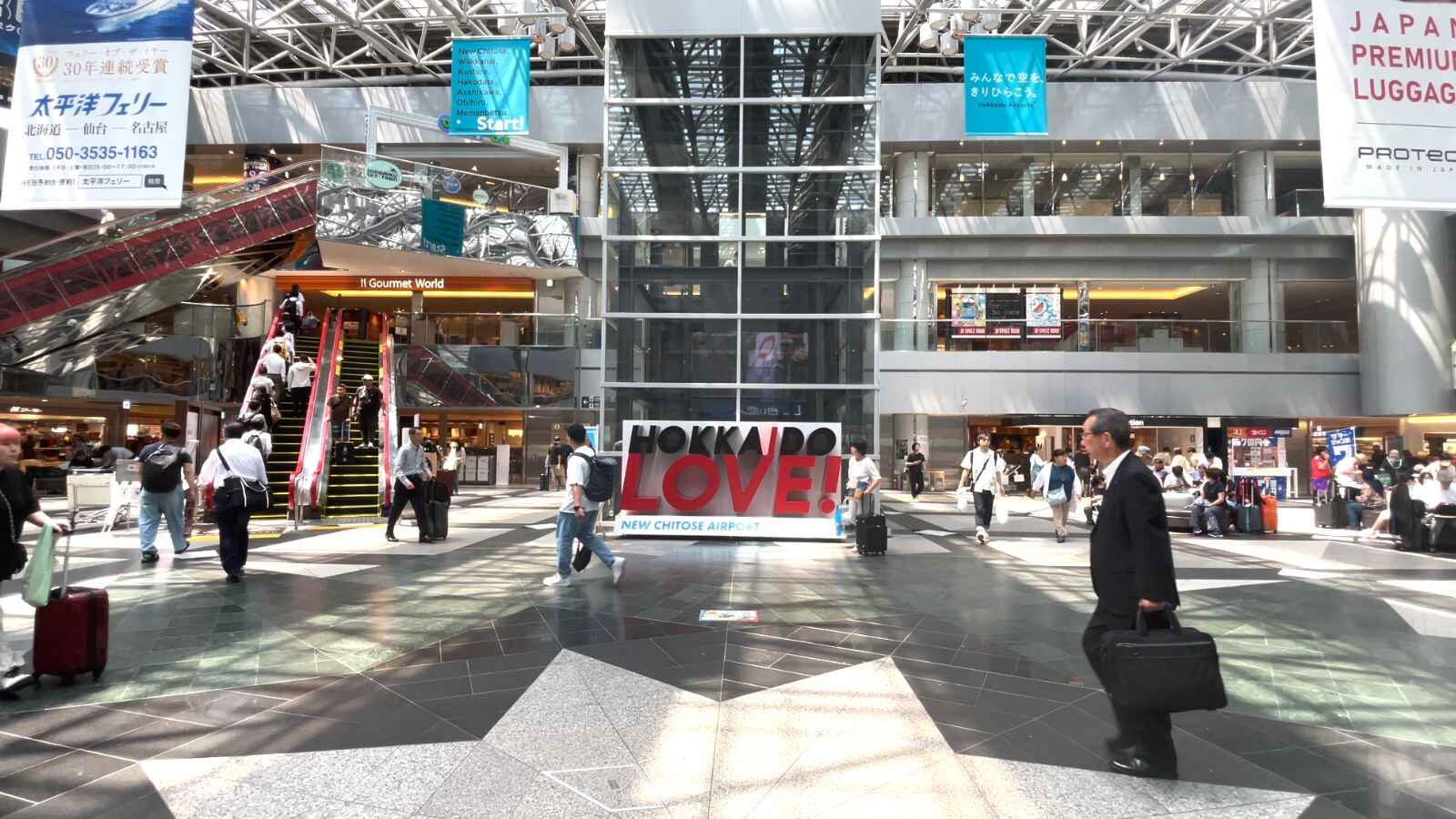
The main international and domestic gateway to Hokkaido. It’s located about 40 minutes south of Sapporo by the JR Airport Express (¥1,150). Direct flights are available from major Asian hubs including Manila, Seoul, and Taipei, with connections from most international destinations.
🚅 Ride a Bullet Train (Hokkaido Shinkansen)
Flying isn’t the only way in. If you’re already exploring mainland Japan, you can reach Hokkaido overland via the Hokkaido Shinkansen — riding the bullet train all the way from Tokyo to Shin-Hakodate-Hokuto Station, the gateway station in southern Hokkaido.
The Hayabusa service covers the roughly 862 km journey from Tokyo Station in about 4 hours, including a striking stretch through the Seikan Tunnel — one of the longest undersea tunnels in the world, connecting Honshu and Hokkaido beneath the Tsugaru Strait. From Shin-Hakodate-Hokuto, you’ll transfer to a limited express train for the final leg into Sapporo (roughly another 3.5–4 hours).
It’s a longer overall journey than flying, but if you’re a train travel enthusiast — or you’re combining Hokkaido with a broader Japan rail trip — riding the Shinkansen north is a genuinely memorable way to arrive. Your JR Rail Pass covers this route, so it can also be the more budget-friendly option if you’re already holding one for mainland travel.
Pro tip:
Purchase a Hokkaido Rail Pass before you travel. It covers the JR lines you’ll need for Sapporo → Otaru and Sapporo → Asahikawa, and the savings add up fast on a 7-day itinerary.
Day 1–2: Sapporo — Japan’s Underrated Northern Capital
Where to Stay in Sapporo
I checked into the Travelodge Hotel Sapporo Odori, located right in the heart of the city near Odori Park and a short walk from the main tourist corridor. It’s a clean, central base that puts you within easy reach of both the metro and the JR lines you’ll need for day trips.
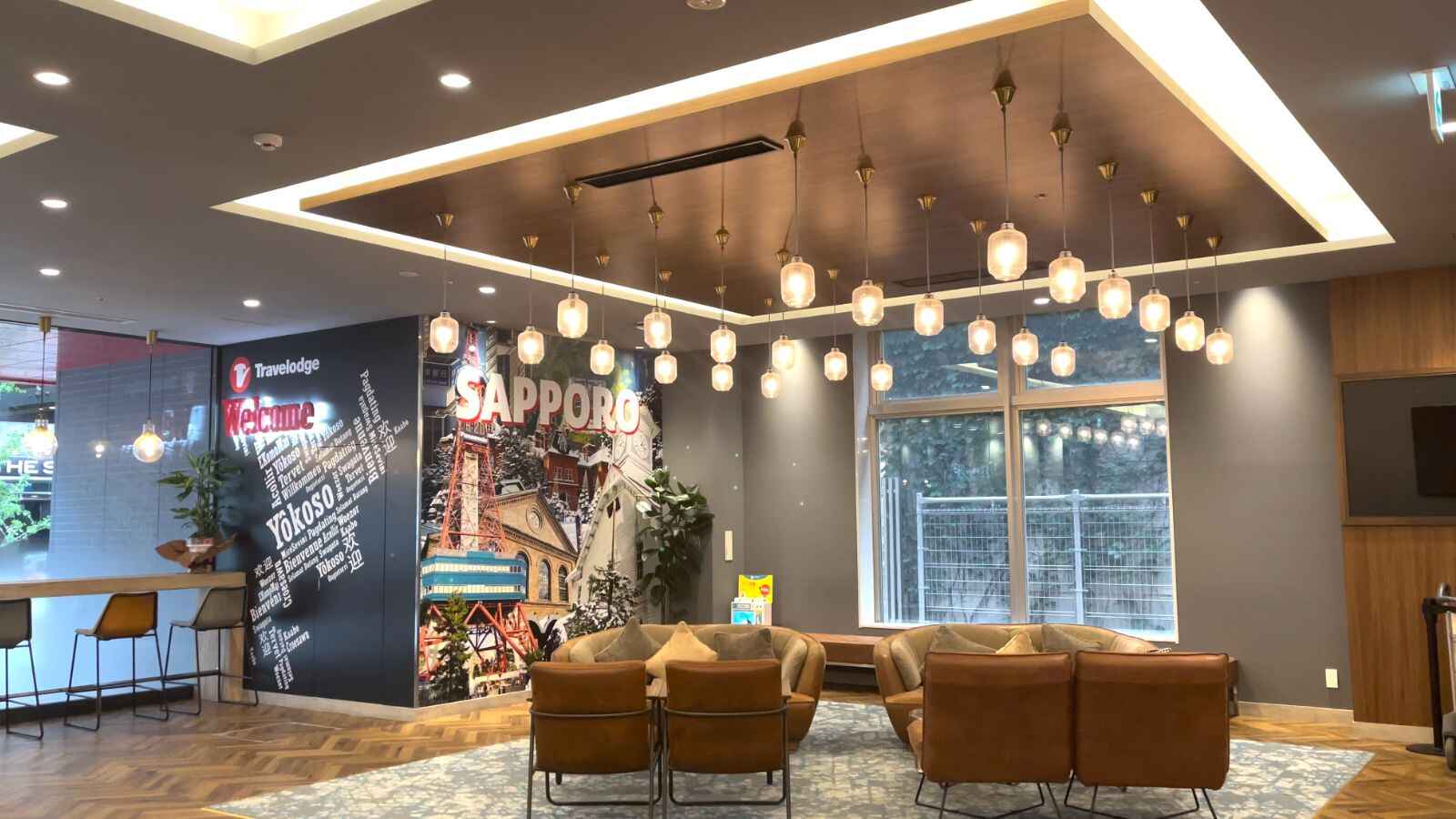
For budget travelers, Sapporo has excellent hostels and guesthouses around Susukino. For more comfort, the area around Odori Park and Sapporo Station offers the best access.
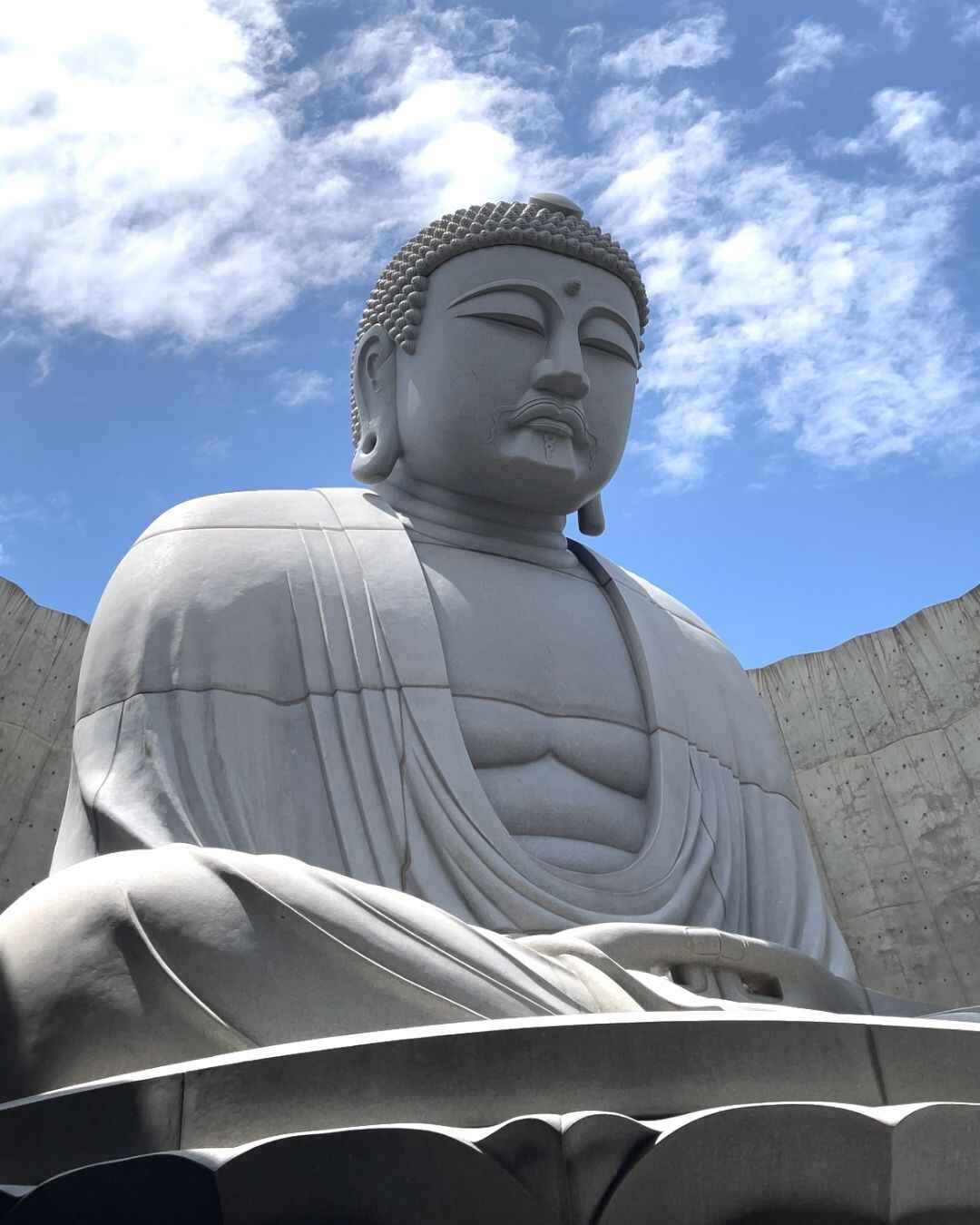
Hill of Buddha (Makomanai Takino Cemetery) — Hidden Gem of Sapporo
This is not in every Sapporo travel guide, and that’s exactly why you should go.
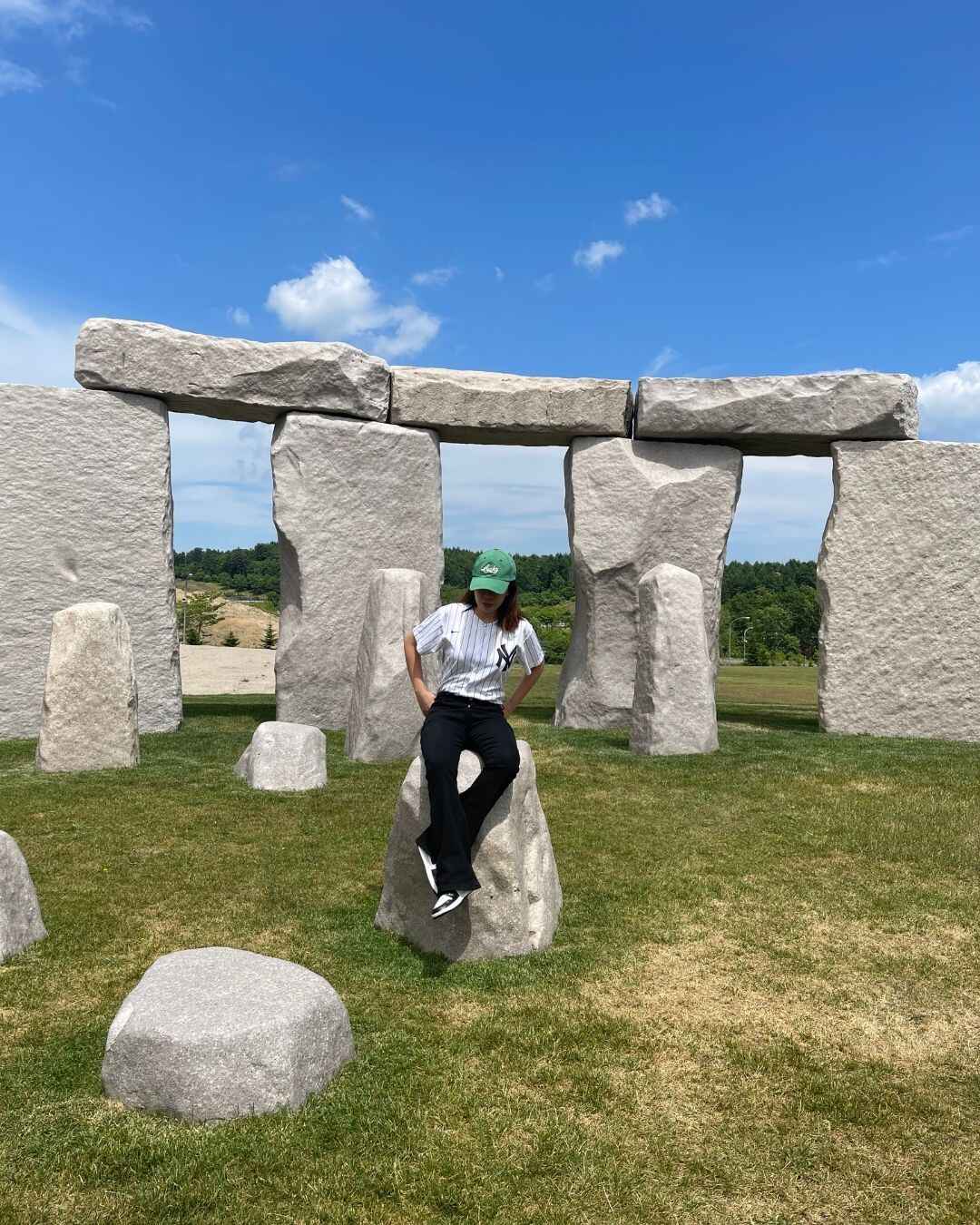
The Hill of Buddha, designed by world-renowned Japanese architect Tadao Ando, sits inside Makomanai Takino Cemetery. The grounds feature:
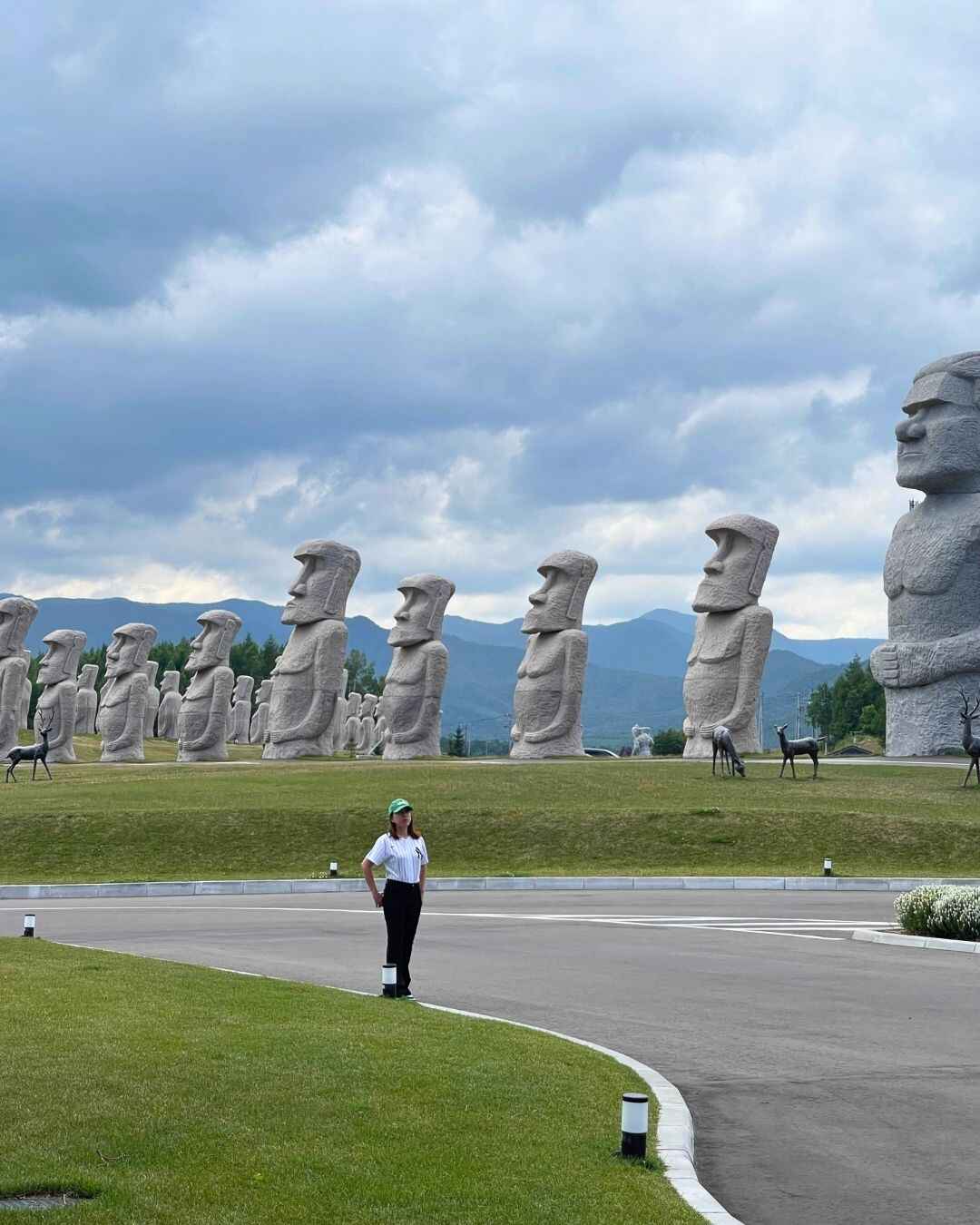
- 40 Moai heads — Easter Island-style stone figures surrounded by lavender in summer
- A Stonehenge replica that appears with startling drama as you approach
- The giant Buddha statue — but here’s the thing: Ando’s philosophy is that imagination is sparked by what we cannot see. So only the Buddha’s head is visible above the hill. You’re invited to walk closer and let the full reveal unfold.
“This striking Buddha statue designed by famous Japanese architect Tadao Ando radiates spirituality. Only the head of the Buddha is visible from a distance, inviting us to imagine the rest.”
Getting there:
Take the JR or metro south, then connect by direct bus. It’s about 40–50 minutes from central Sapporo. Allow 1.5 to 2 hours for the full grounds.
The lavender blooms in summer make this one of the most photogenic spots in all of Hokkaido — it’s genuinely bucket-list worthy and most tourists walk straight past it.
Day 3: Otaru — Canals, Music Boxes & Coastal Charm
The 35-minute train ride from Sapporo Station to Otaru Station is one of the most effortless transitions in Japanese travel. Drop your bag at the lockers, step outside, and you’re already in the charm.
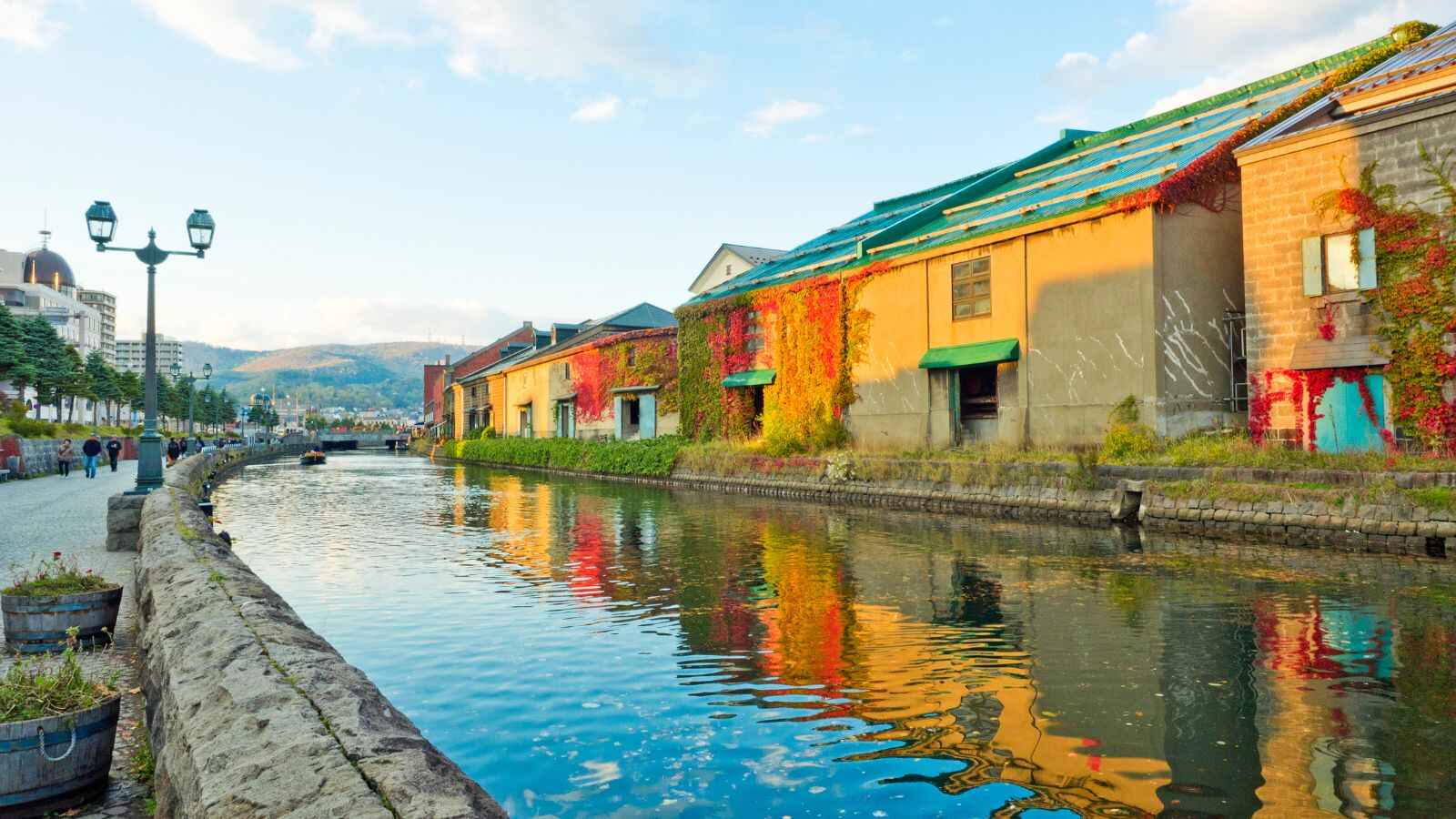
Otaru is a historic port city that built its fortune on the herring trade and banking in the Meiji era. Today it’s beloved for:
- The Otaru Canal — a gas-lit heritage waterway lined with old stone warehouses, now converted into cafés, galleries, and restaurants
- Glass factories — Otaru has a thriving artisan glass scene; you can watch craftspeople at work and bring home a hand-blown piece
- Sake distilleries — Hokkaido’s cold, clean water makes for exceptional sake; pick up a bottle from a local kura
- The Otaru Music Box Museum — do not skip this. Hundreds of handmade music boxes in exquisite, intricate designs, from delicate miniatures to full orchestral pieces. It’s surreal and beautiful and unlike anything else in Japan.
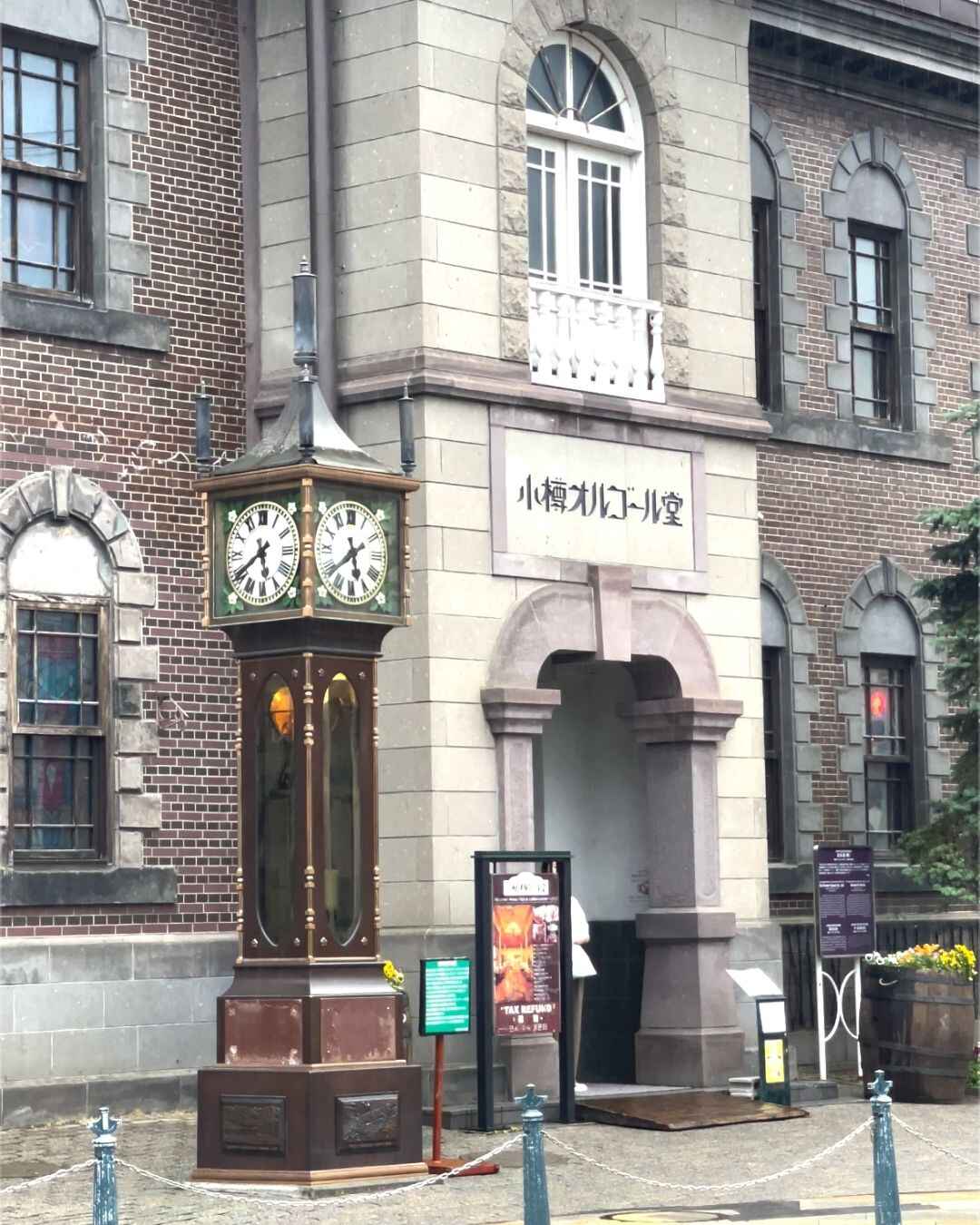
It was raining lightly on my visit, but honestly, Otaru in the rain has its own atmosphere. The cobblestones shine, the canal reflects the lights, and the whole city feels like a scene from a Studio Ghibli film.
Recommended time:
Half a day to a full day. Combine with a late return to Sapporo, or continue north toward Asahikawa.
Day 4–5: Asahikawa — Your Gateway to the Hokkaido Countryside
Asahikawa is Hokkaido’s second-largest city and arguably its most underrated base. Most travelers skip it entirely. That’s a mistake.
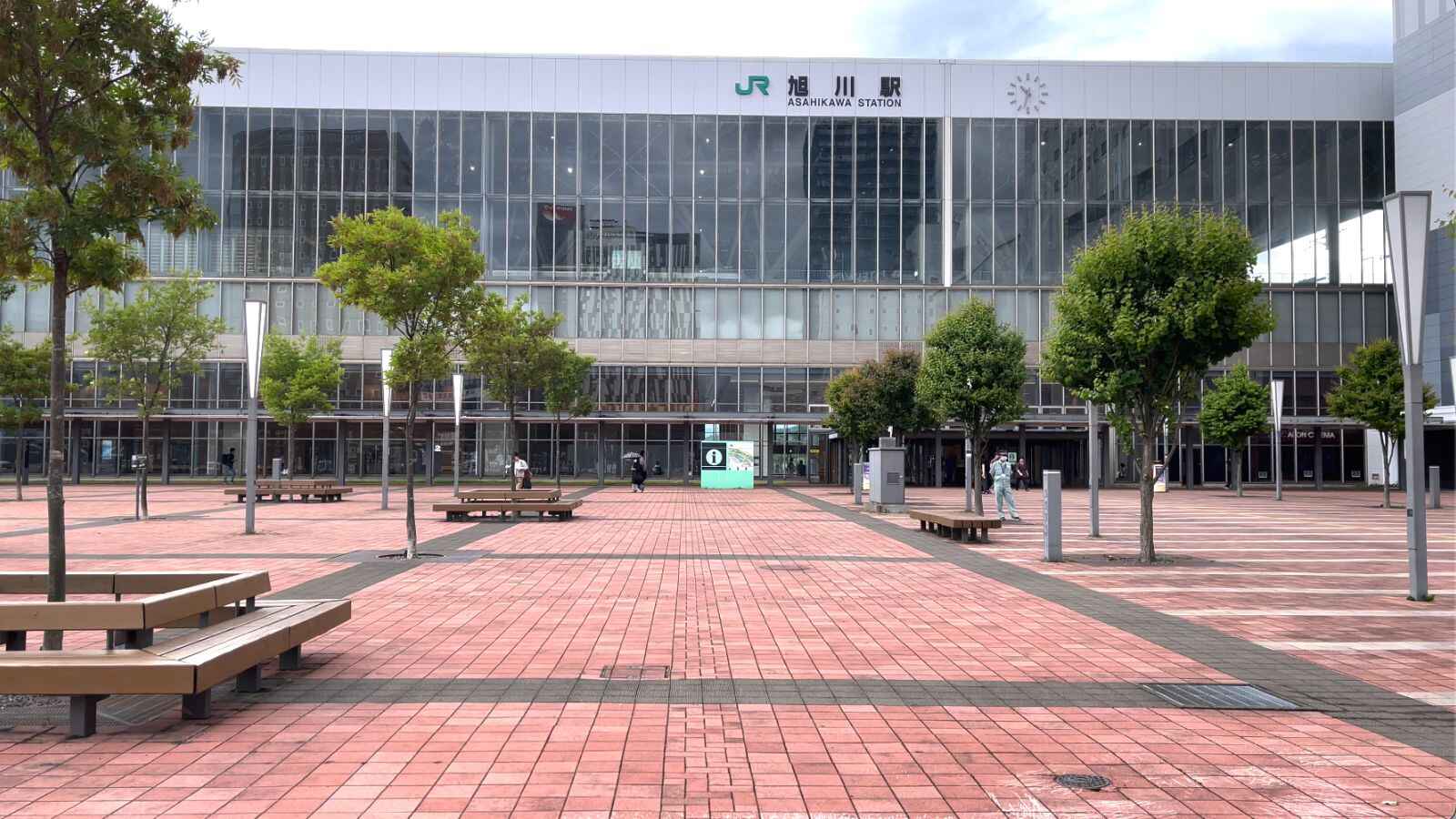
The city itself is relaxed and walkable — I loved that JR Asahikawa Station was just steps from my hotel, and the AEON Mall was nearby for groceries, local snacks, and anything you might need for day trips. The hotel I stayed in was a solid three-star property with modern amenities, free WiFi, and a 24-hour front desk.
But the real reason to stay in Asahikawa is access.
Biei and Furano — two of the most jaw-droppingly beautiful rural areas in all of Japan — are both within a short train ride. Making Asahikawa your base for 2–3 nights gives you the freedom to explore them properly without rushing.
Day 5–6: Biei — The Most Beautiful Countryside in Japan
This. This is why you come to Hokkaido in summer.
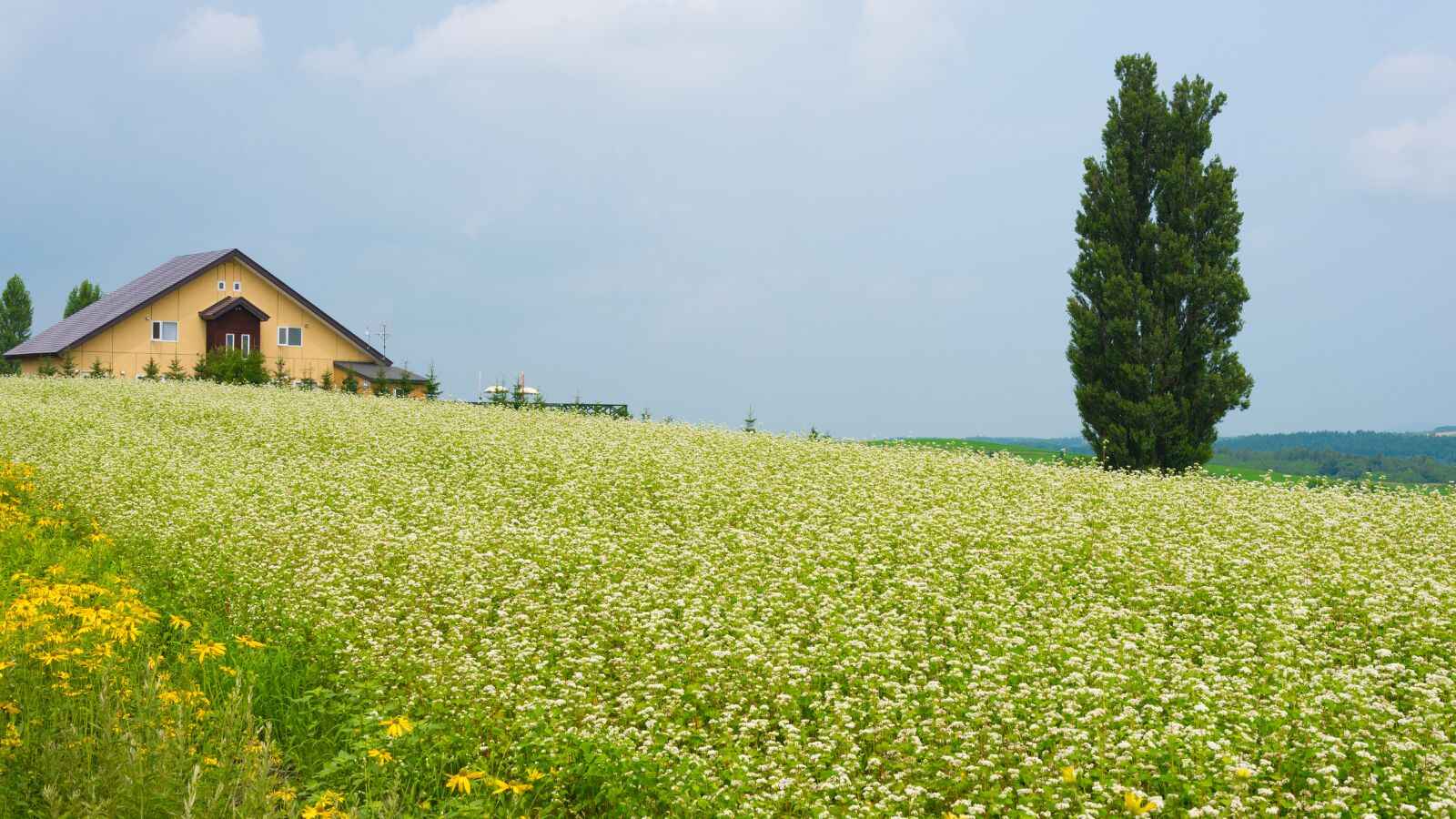
Biei is a small rural town in central Hokkaido, set amid a landscape that looks like a painting: rolling hills of wheat, potato, and lavender fields stitched together in a patchwork of colour. I’ve been wanting to visit in summer for years, and the moment I stepped off the train at Biei Station — which itself has a warm, welcoming atmosphere — I felt like I’d arrived somewhere I’d been trying to get back to.
The Biei Bus Tour (Book at the Tourist Center)
At the Biei Tourist Information Center, you can book a guided bus tour that covers the top four scenic spots in one loop. It’s efficient, affordable, and lets you focus on experiencing rather than navigating. Here’s what it covers:
1. Shirahige-no-Taki (White Beard Falls)
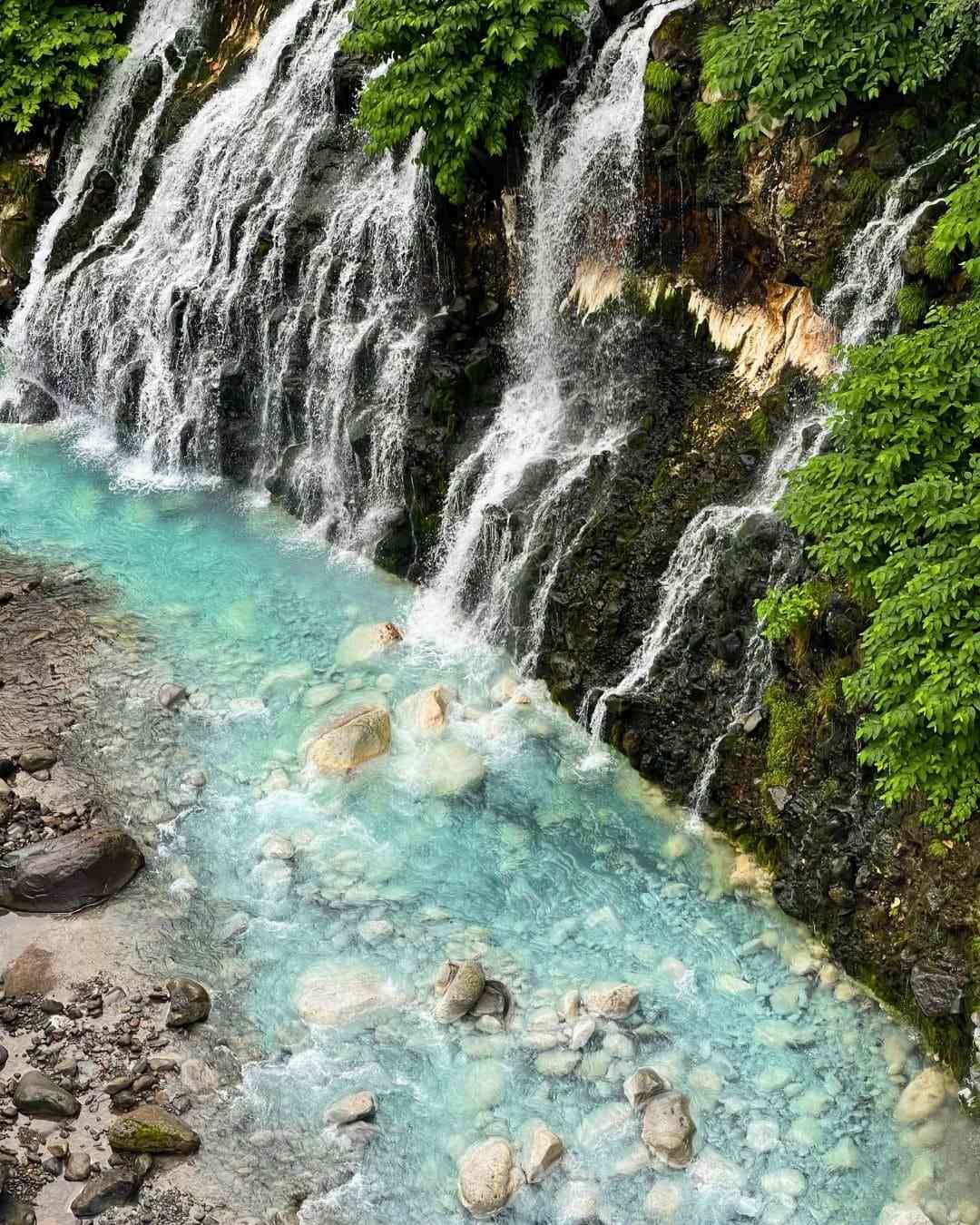
One of the rarest waterfall types in Japan. Underground water flows with great force from cracks in the cliff wall, creating the illusion of a white beard cascading directly from the rock face. The blue-white water hits a turquoise river below, and the whole scene feels completely otherworldly.
It’s refreshing, dramatic, and over far too quickly. Give yourself time here — don’t rush the waterfall.
2. Shirogane Blue Pond (Aoike)
This was on my bucket list. ✅
The Shirogane Blue Pond is one of Hokkaido’s most iconic sights — and it earns every bit of that reputation.
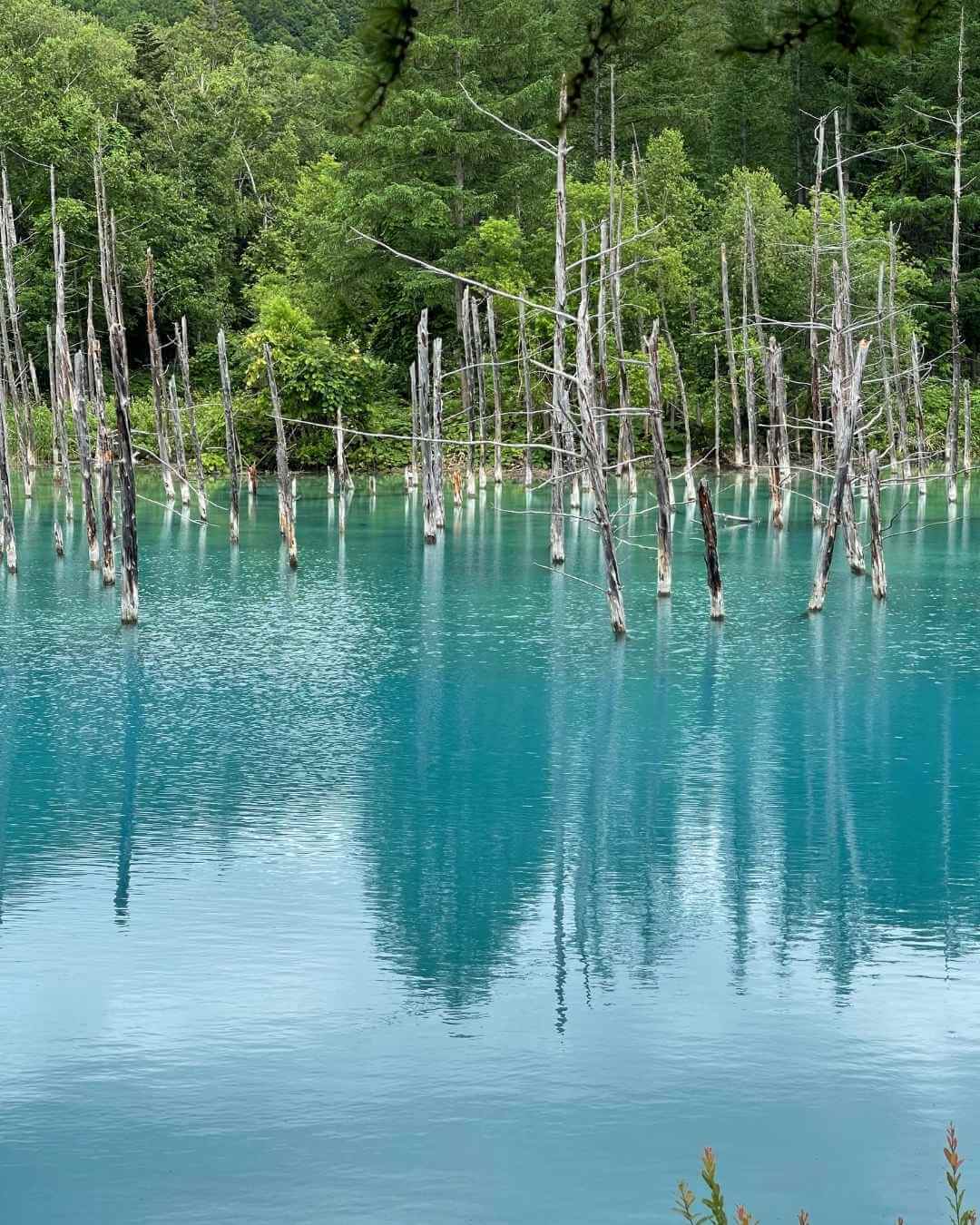
The water is an impossible, almost electric shade of blue-turquoise. The origin story is equally striking: during disaster prevention work on Mount Tokachi (an active volcano), a retention dam was built. Minerals from the volcanic water caused the pond to turn an unnaturally vivid blue. The standing dead larch trees around the edges — bleached white, frozen in place — complete the visual: a surreal, haunting, and utterly beautiful landscape.
“The water has such a unique colour, and it is incredibly beautiful.”
Best time to visit:
Morning light in summer gives the most vivid colour. The pond is illuminated at night during certain seasons, which is equally breathtaking.
3. Shikisai-no-Oka (Hill of Four Seasons)
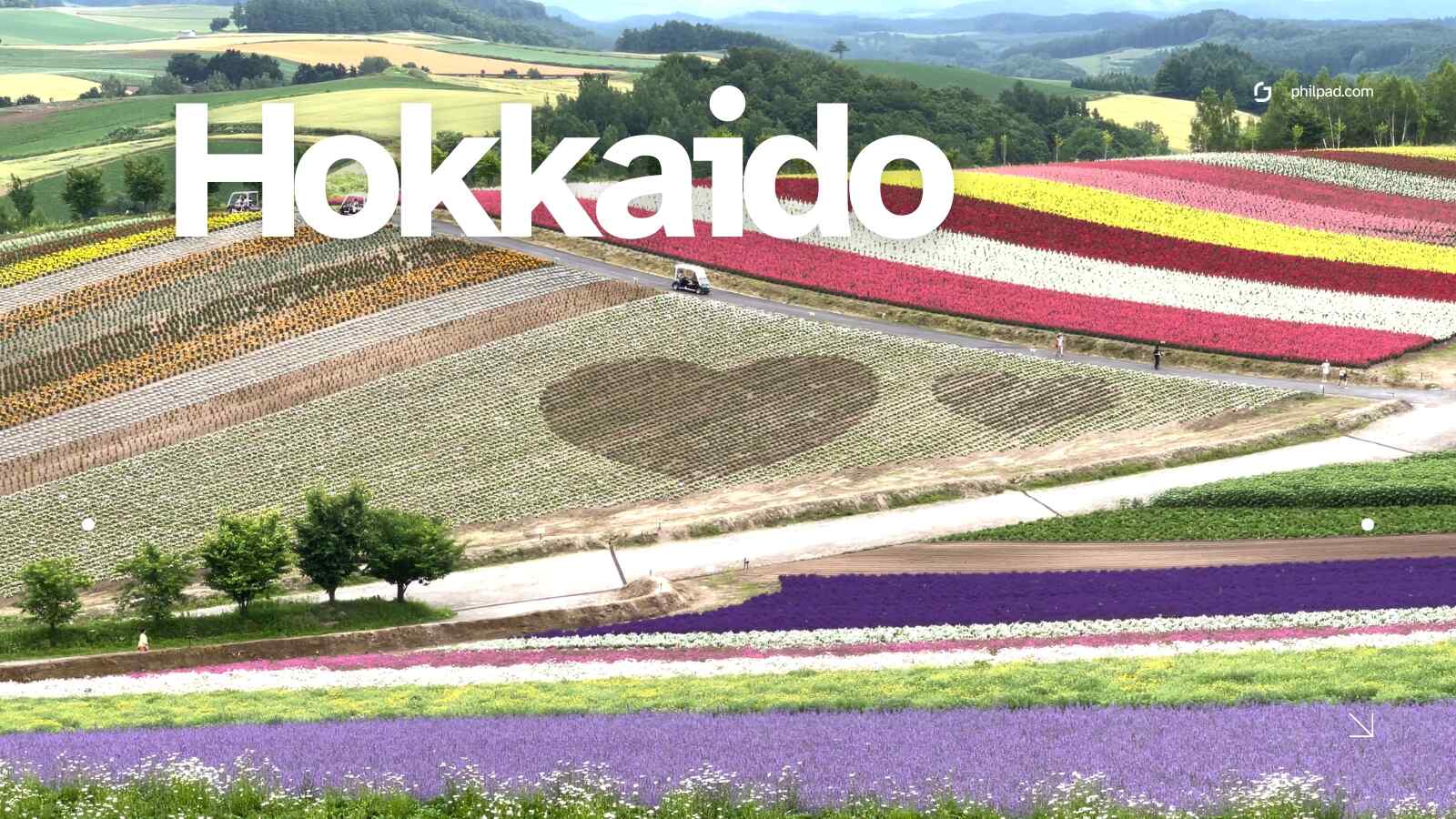
Shikisai-no-Oka is a panoramic flower garden that runs from spring through autumn with rotating seasonal blooms — lavender, sunflowers, salvia, dahlias, and more, arranged in sweeping colour-block rows across a hillside backdrop.
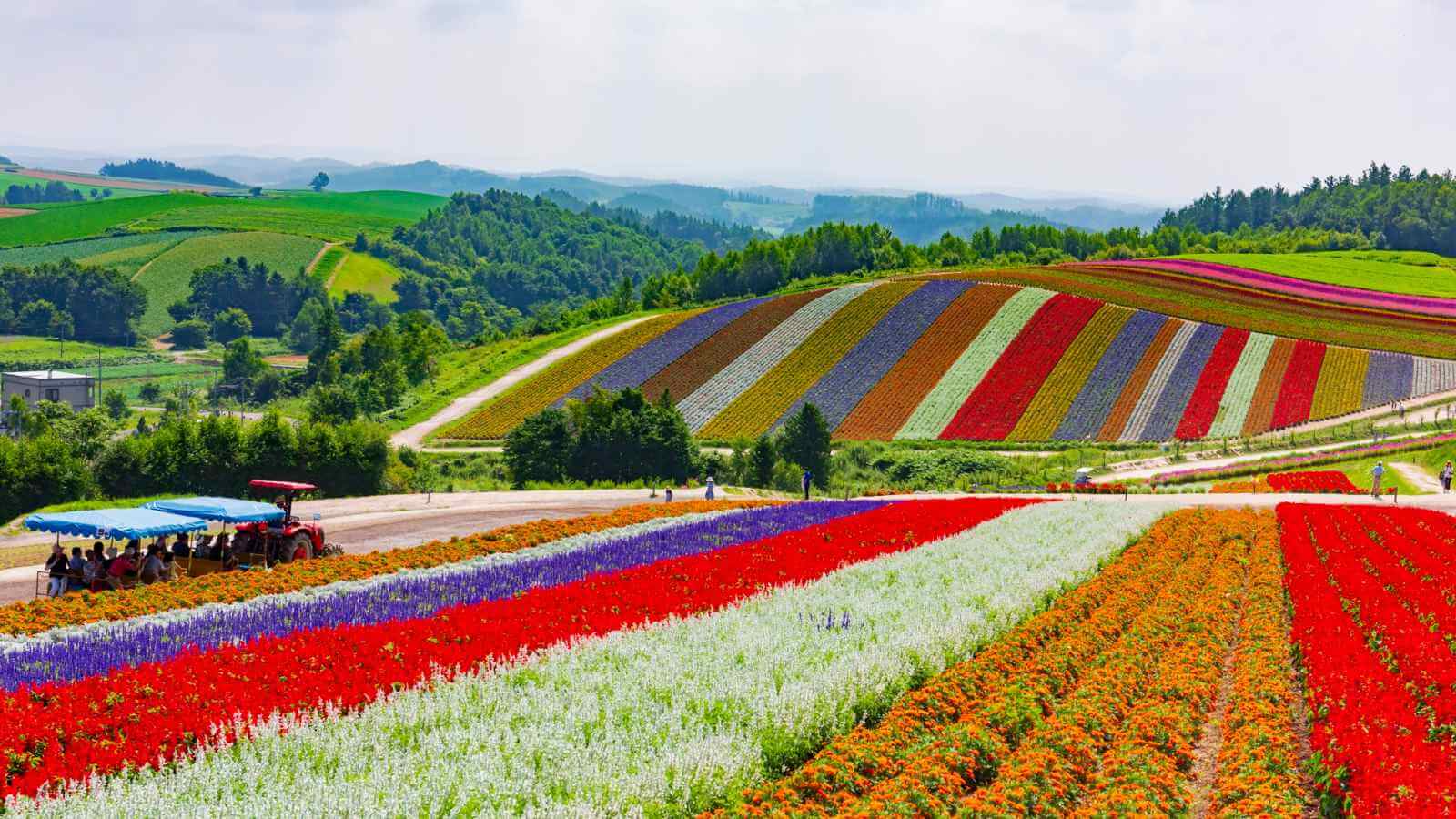
In summer, it’s one of the most colour-saturated landscapes you’ll find anywhere in Japan. Rent a small motor cart to cruise through the fields, or simply walk the paths and let the views settle over you.
Free entry to the grounds (motor cart rental is paid). Allow 1–1.5 hours.
4. Patchwork Road (Patchwork no Michi)
As you drive or cycle through Biei, the Patchwork Road offers views of the agricultural farmland that gives Biei its name — fields of different crops create a natural mosaic of greens, yellows, and purples that stretch toward the horizon.
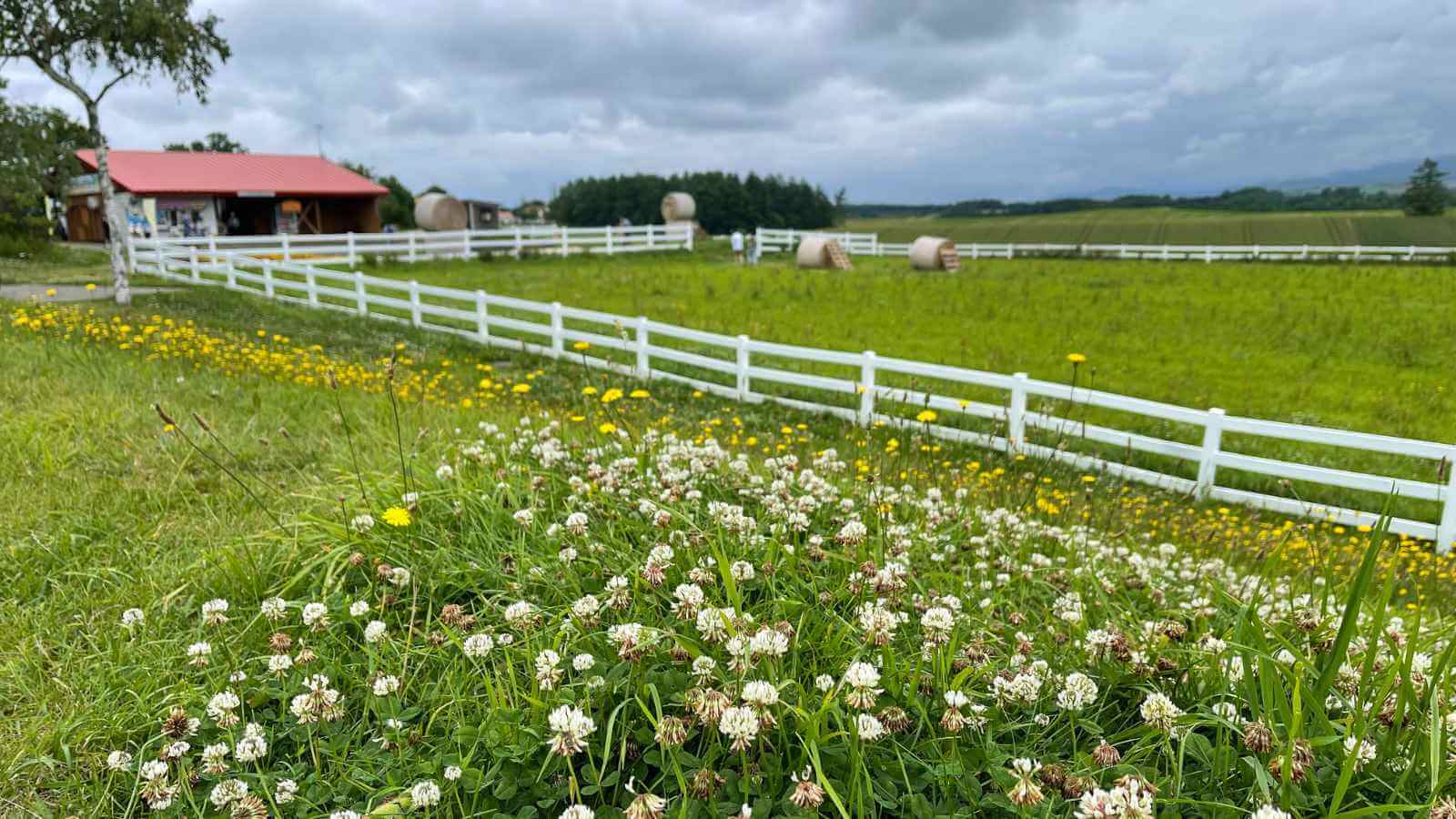
It’s best experienced by bicycle, which lets you stop freely and take it at your own pace. Bike rentals are available near Biei Station.
Practical Tips for Your Hokkaido Summer Trip
Getting Around Hokkaido
- JR Hokkaido lines connect all major stops: Sapporo ↔ Otaru (35 min), Sapporo ↔ Asahikawa (1h 25 min), Asahikawa ↔ Biei (25 min)
- IC Cards (Suica/ICOCA) work in Sapporo for metro and buses
- For Biei, the tourist bus tour from the information center is the easiest option for first-timers; cycling works perfectly for return visits
Best Time to Visit Hokkaido in Summer
- July–August = peak flower season (lavender in Furano, Shikisai-no-Oka in full bloom)
- Weather is significantly cooler than Tokyo/Osaka — expect 20–26°C during the day
- Bring a light jacket for evenings, especially in Biei and mountain areas
Where to Stay
| City | Recommended Area |
|---|---|
| Sapporo | Odori Park / Sapporo Station area |
| Otaru | Near the Canal (for day trips from Sapporo) |
| Asahikawa | Walking distance from JR Asahikawa Station |
Budget Estimate (Per Person, 7 Days)
| Category | Estimated Cost |
|---|---|
| Accommodation (mid-range) | ¥7,000–12,000/night |
| Hokkaido Rail Pass (5 days) | ¥12,000 |
| Biei Bus Tour | ¥1,500–2,000 |
| Food (daily) | ¥2,000–4,000 |
Frequently Asked Questions
Is Hokkaido worth visiting in summer?
Absolutely. Summer is arguably Hokkaido’s best season — flower fields are in full bloom, the weather is comfortable, and popular spots like the Blue Pond and Shikisai-no-Oka are at their most photogenic. It’s also significantly cooler than mainland Japan.
How many days do you need to travel Hokkaido?
A minimum of 7 days is recommended to cover Sapporo, Otaru, and the Biei/Furano countryside without rushing. More time allows for deeper exploration of eastern Hokkaido (Shiretoko, Abashiri, Kushiro).
Do I need a car to explore Hokkaido?
Not necessarily. The JR Hokkaido rail network connects all major destinations, and tourist bus tours cover the scenic countryside spots like Biei. A rental car gives more flexibility but isn’t required for this itinerary. Watch my vlog, I traveled all of these spots without a car.
What is the Shirogane Blue Pond?
The Blue Pond (Aoike) in Biei is a naturally formed pond whose vibrant turquoise-blue colour is caused by aluminum hydroxide minerals in the volcanic groundwater from Mount Tokachi. It was created as a by-product of disaster prevention dam construction and is now one of Hokkaido’s most photographed landmarks.
Can you take the bullet train to Hokkaido?
Yes. The Hokkaido Shinkansen runs from Tokyo to Shin-Hakodate-Hokuto Station in about 4 hours, crossing beneath the Tsugaru Strait via the Seikan Tunnel. From there, a limited express train continues on to Sapporo.
Final Thoughts
Hokkaido rewired something in me — the way Biei does that, the way a waterfall or a blue pond that seems to exist outside the natural order of colour can just stop you in your tracks.
If you’ve been putting off Japan because you think you’ve “done” the major cities, Hokkaido is the argument against that reasoning. It’s Japan in a completely different key: quieter, wilder, and staggeringly beautiful.
Part 2 of this Hokkaido vlog covers more of Biei by bicycle and the flower fields of Furano — stay tuned.
More Japan Travel Guides: